Rethinking Waste: Biodegradable Packaging Revolutionizing Sustainability
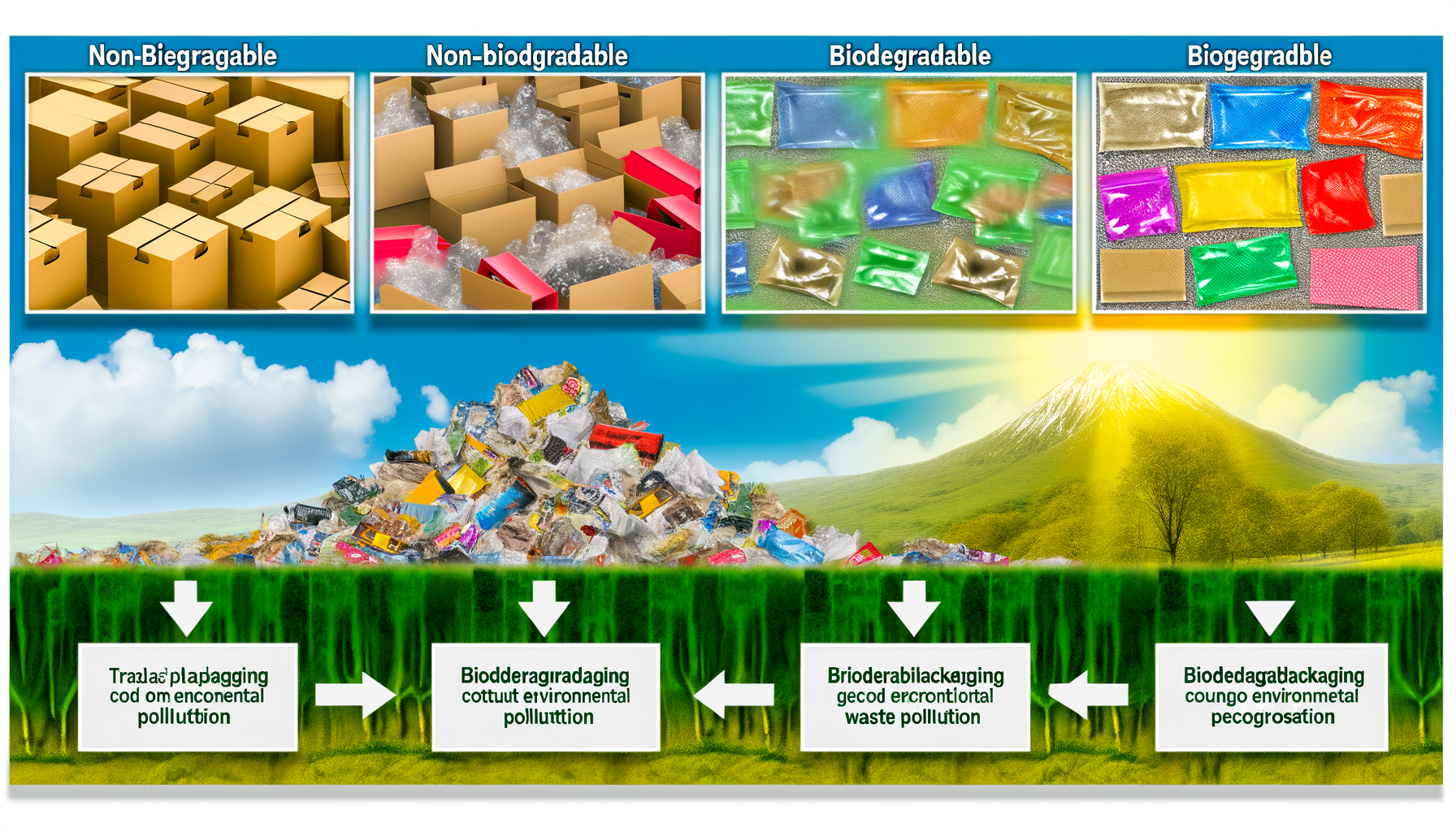
In recent years, the surge in environmental awareness has reignited the global conversation around sustainability, particularly focusing on how we can address the environmental impact of waste disposal. The packaging industry, notorious for its significant contribution to the waste stream, is now at the forefront of innovation with the introduction of biodegradable packaging solutions. Let’s delve into the advancements in biodegradable packaging and explore how these innovations offer practical insights and solutions to mitigate environmental and waste disposal concerns.
Bridging the Gap: Why Biodegradable Packaging Matters
The broad adoption of single-use plastics over the past decades has crystallized into a pressing concern worldwide, manifesting in staggering piles of plastic waste that pollute our oceans, cities, and countrysides. Traditional packaging, primarily consisting of petroleum-based plastic, can take hundreds of years to decompose fully. However, biodegradable packaging aims to disrupt this cycle. By using materials that can decompose back into nature within a few months to years, it presents a promising alternative to reduce our environmental footprint.
The Evolution of Biodegradable Packaging Technology
1. Natural Polymers: One of the most significant advancements in biodegradable packaging is the use of natural polymers such as cellulose, chitin, and starch. These materials boast the ability to degrade naturally, minimizing their long-term impact on the planet. Cellulose-based films, for instance, offer moisture resistance and strength, making them suitable alternatives for various packaging applications.
2. Polylactic Acid (PLA): PLA is produced from fermented plant starch, such as corn or sugarcane, and is completely biodegradable. As a substitute for petroleum-based plastics, PLA is often used in packaging for food products due to its excellent barrier properties and ability to be transformed into films and injection-molded products.
3. Hemp and Mushrooms: Innovators are exploring the potential of unconventional sources like hemp and mycelium (the root structure of mushrooms) in biodegradable packaging. These materials offer sustainability that complements their remarkable strength and lightweight properties, making them desirable alternatives for shipping and packaging solutions.
Overcoming Challenges in Biodegradable Packaging
Despite the hype surrounding biodegradable solutions, challenges persist. Education and awareness around proper disposal and composting facilities are limited in many regions, impeding the potential impact of these biodegradable materials. Additionally, the cost and production scalability of biodegradable packaging still need to reach the affordability levels of traditional plastic packaging.
Recent Breakthroughs in Biodegradable Technologies
Innovative Coatings and Additives: Emerging technologies focus on developing coatings and additives that enhance the properties of biodegradable materials, such as increasing shelf life and improving barrier qualities. These innovations curb one of the significant limitations that biodegradable packaging materials have encountered thus far.
Biodegradable Multilayer Packaging: The development of biodegradable multilayer composites that unite different biodegradable polymers maximizes strength, water resistance, and barrier properties. This has paved the way for categories like flexible pouches and wraps, commonly seen in snack and food packaging.
The Market Outlook: Looking Ahead
With growing consumer demand for sustainable products, the market outlook for biodegradable packaging is optimistic. Industries and governments are progressively adopting these innovations to comply with environmentally sustainable practices and diminish their waste contributions. Legislation is nudging companies to explore biodegradable options, aligning with heightened ecological responsibilities.
Case Studies:
The Automaker Initiative: Major automobile companies have begun using biodegradable packaging to ship parts, aligning with their sustainability targets.
The Supermarket Revolution: Grocery chains in Europe and North America are transitioning to compostable bags and containers in pursuit of zero-waste goals.
Driving the Change
The path to a fully biodegradable packaging landscape is not without its hurdles, but advancements continue to flow from the minds of researchers and start-ups globally. By driving home the call for sustainability and innovating in parallel, we create an evolving ecosystem where our dependence on traditional plastics is minimized, breaking the cycle of excessive waste.
The rise of biodegradable packaging illustrates the packaging industry's proactive stance in sustainability. It aligns with the ethos of a circular economy, promotes environmental responsibility, and propels us toward a greener future. We stand at a crossroads where continued support, investment, and awareness are crucial catalysts for this revolutionary change.
In conclusion, with the robust collaboration of policymakers, businesses, and consumers alike, biodegradable packaging can not only meet the current demands for sustainable solutions but chart a way forward where waste is minimized, and our environment thrives.
Next Steps
As consumers, we ought to understand and support these changes by patronizing products housed in biodegradable packaging. Industries must continue their adoption of such innovative solutions, educating stakeholders on proper disposal practices and investing in technologies that make these materials affordable and accessible. Only then can we achieve a promising transformation toward a sustainable environment.
So, let’s contribute our two cents to accelerate this movement, for every little effort matters in our collective drive to champion sustainable living.
Join the conversation on sustainable packaging Share your thoughts and experiences in implementing biodegradable solutions in your business in the comments below. Your insights can inspire others on this journey!
Explore Comprehensive Market Analysis of COG Packaging Market
SOURCE -- @360iResearch